

7 Reason Why WiFi Drops
April 21st, 2026




 NEWS & ARTICLES

Choosing the right ERP for small and medium businesses in 2025
is one of the most critical decisions that owners and managers can make.
 By Tasos Bibis
Choosing the right ERP for small and medium businesses in 2025 is one of the most critical decisions that owners and managers can make. ERP (Enterprise Resource Planning) is a comprehensive enterprise resource management system that integrates all the core functions of a company, from accounting and inventory management to sales, CRM, production and customer service. The right ERP choice is not only about technological upgrading, but also about organizing business processes in a way that will improve efficiency, reduce errors and strengthen the business's growth strategy.
Before deciding on the right ERP, it is necessary to make a detailed assessment of the business's needs. This includes recording all the processes that it wants to automate or monitor in real time, integrating data from different departments and the ability to expand to future products or services. It is important for the reader to understand what problem it wants to solve: are delays in monitoring inventory costing time and money, or is the lack of consolidated financial reports making decision-making difficult?
Next, the technological choice between cloud and on-premise ERP must be considered. Cloud solutions offer flexibility, access from anywhere, reduced maintenance costs and continuous upgrading, while on-premise solutions provide greater control over data and the ability to fully customize internally. Every business must weigh factors such as security, hardware requirements, backup capabilities, access speed and installation/maintenance costs before making a decision.
Next, the technological choice between cloud and on-premise ERP must be considered. Cloud solutions offer flexibility, access from anywhere, reduced maintenance costs and continuous upgrades, while on-premise solutions provide greater control over data and the ability to fully customize internally. Every business must weigh factors such as security, hardware requirements, backup capabilities, access speed and installation/maintenance costs before making a decision.
Another important step is to evaluate ERP vendors and support services. The reliability of the provider, its experience in similar businesses, the quality of support, the availability of training for staff, and the possibility of continuous upgrades should be considered. Installing an ERP without proper training and support can lead to slow adaptation, data management errors, and user dissatisfaction.
The configuration and implementation of ERP requires careful planning. The process includes mapping workflows, importing and cleaning data, defining access rights, training users, and gradually monitoring for any errors or compatibility issues. Careful monitoring of the project implementation reduces the chances of downtime and ensures that the system will truly support all the needs of the business.
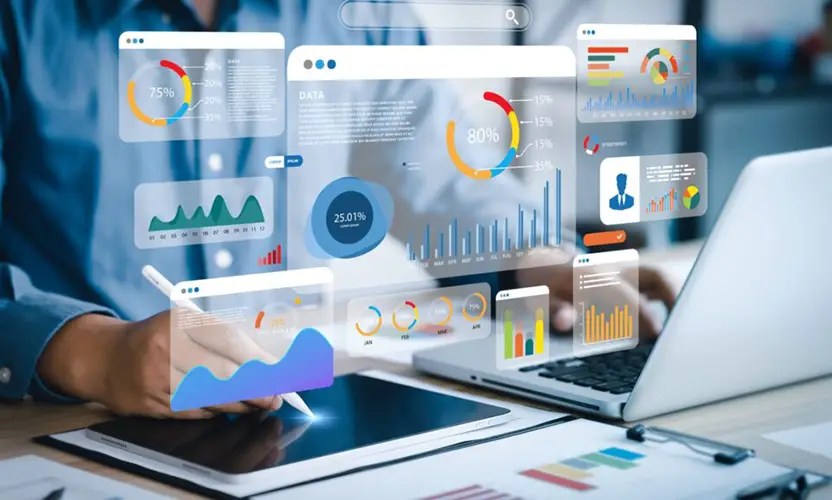
A good ERP provides rich reporting tools and dashboards, giving managers real-time insight into sales, inventory, finances, orders, and customers. This capability improves reporting accuracy, reduces errors, and enables informed decision-making. In addition, the proper use of reports can lead to cost optimization strategies, inventory improvement, and increased profitability.
You should also consider the compatibility of ERP with existing or future mechanisms and applications. The ability to integrate with other software, such as CRM, online stores, accounting platforms, and POS systems, makes ERP more flexible and efficient. Businesses planning to expand into new markets or products should ensure that ERP will support such changes without significant investments in new solutions.
Finally, the right ERP choice increases the competitiveness, reliability, and productivity of the business. It allows for the automation of repetitive tasks, reduced errors, faster data management, and better customer service. A properly designed and installed ERP is a strategic tool that makes the business more prepared for the challenges of 2025 and the future.
April 21st, 2026